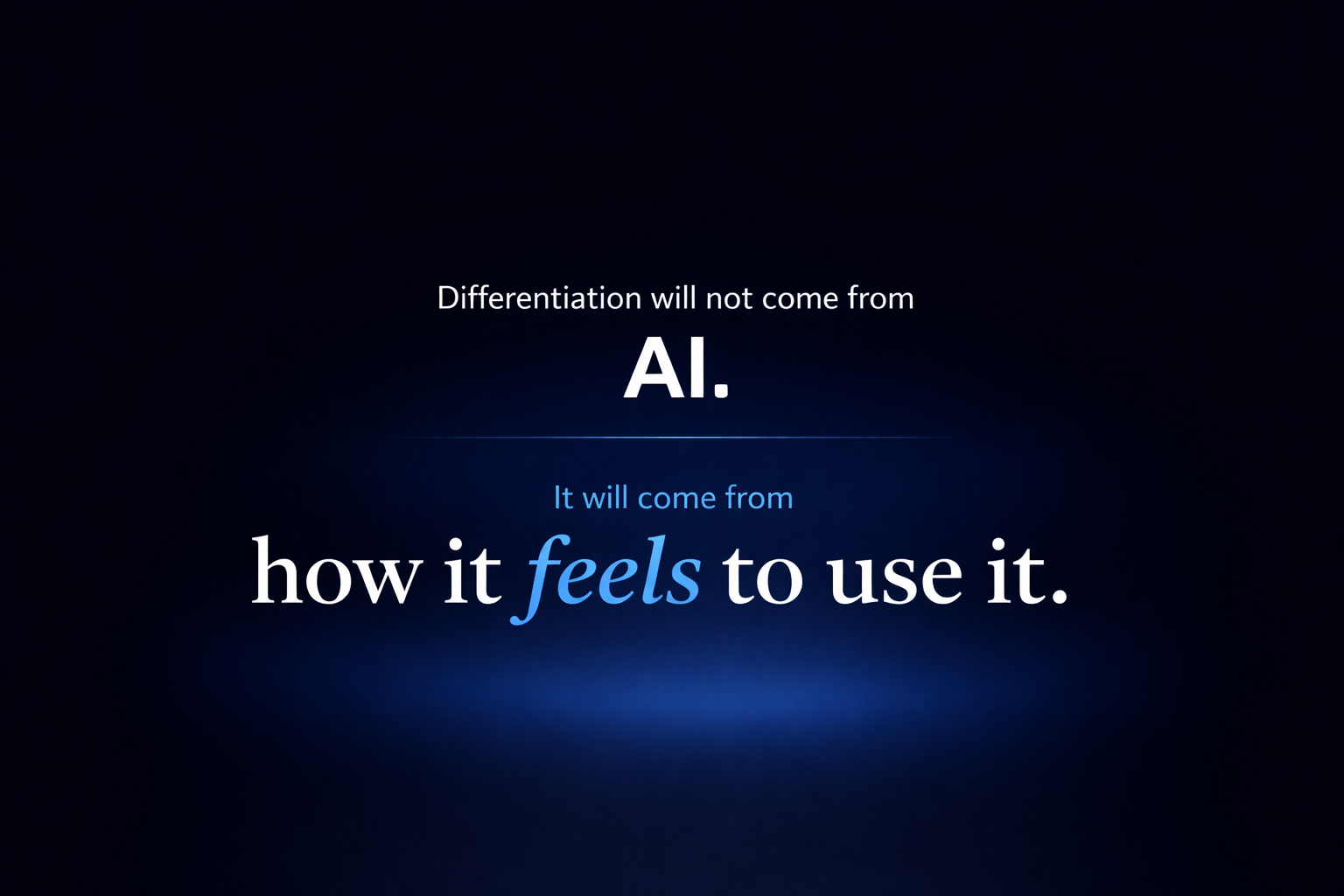
The Layer Most Organizations Are Ignoring
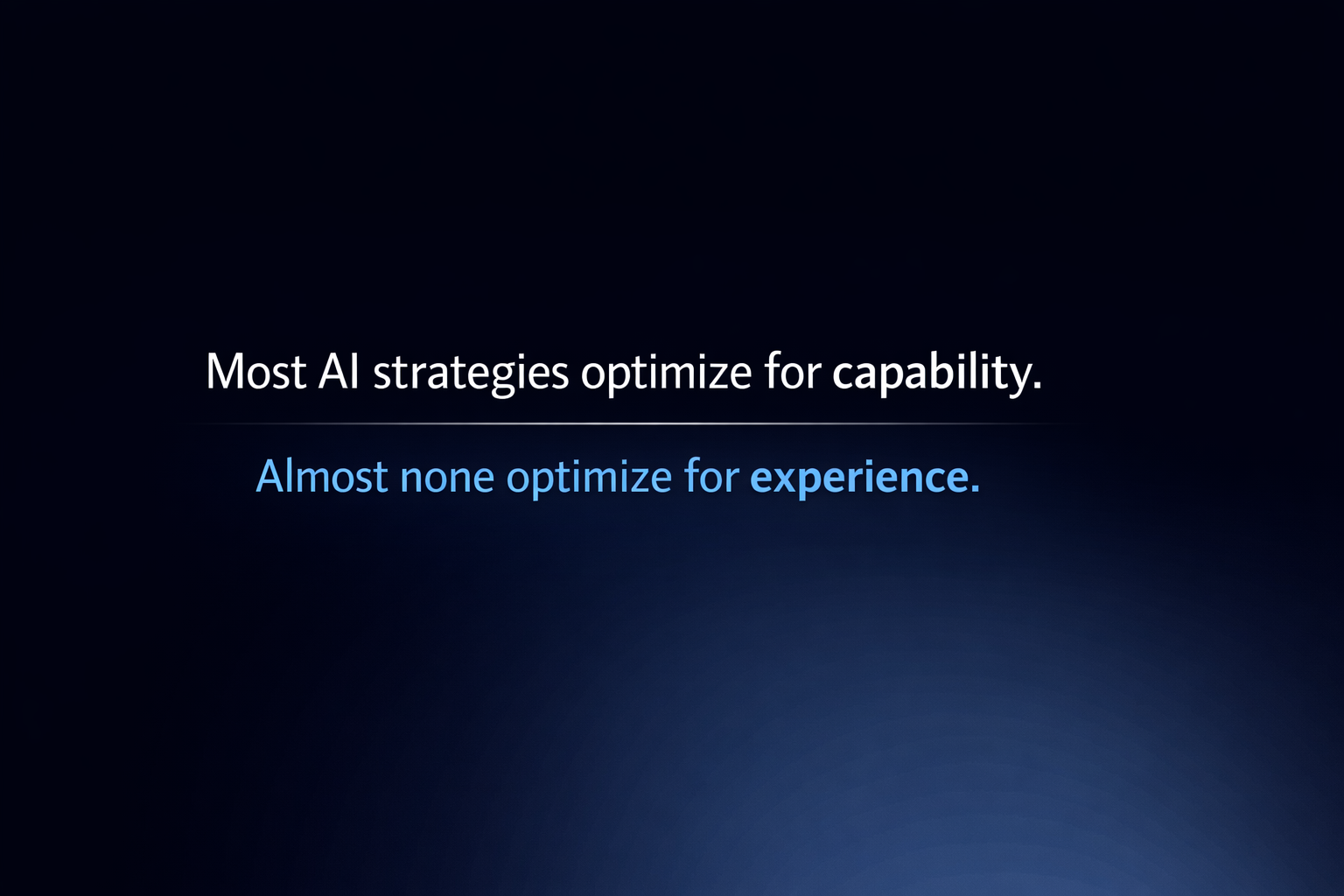
Enterprise AI conversations today are dominated by capability.
Which model are you using?
How accurate is it?
How fast can it respond?
These are necessary questions—but they are not sufficient.
As AI becomes embedded into customer and employee experiences, a different dimension begins to matter: how it feels to interact with it. Not in a superficial UX sense, but in terms of trust, clarity, tone, and consistency.
This is where voice changes the equation.
Voice is not just an interface. It is an expression layer. And in that role, it becomes part of your brand.
Every Interaction Communicates Something
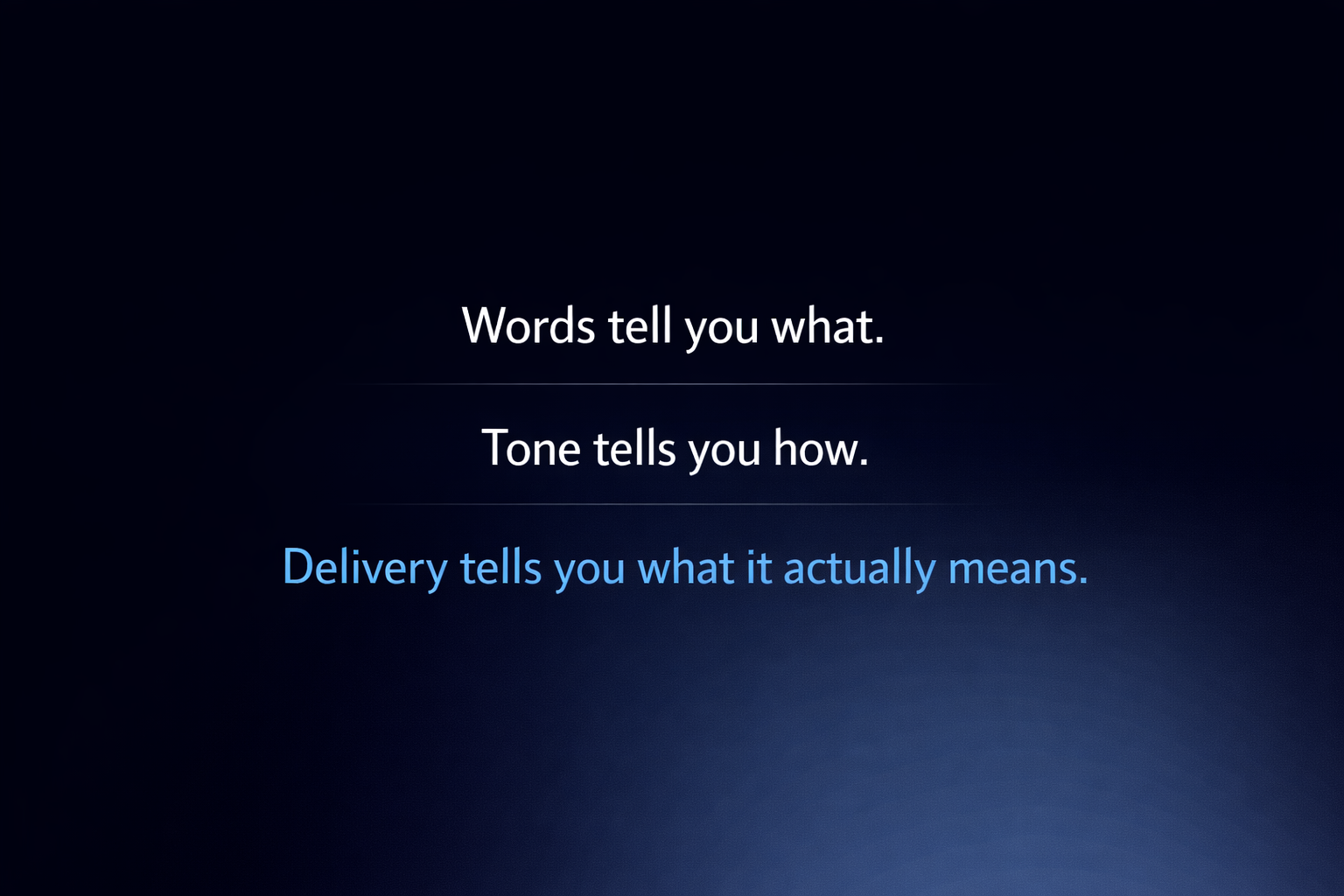
In human interactions, words are only part of the message. Tone, pacing, emphasis, and delivery shape how those words are interpreted.
The same is true for AI.
A voice system that sounds generic, inconsistent, or misaligned with context introduces subtle but meaningful friction. In high-trust environments—financial services, healthcare, enterprise sales—that friction compounds quickly.
The interaction may be technically correct, but it does not feel right. And when that happens, trust erodes.
The implication is straightforward: as AI becomes more present in interactions, voice becomes a carrier of brand identity.
The Risk of Generic AI
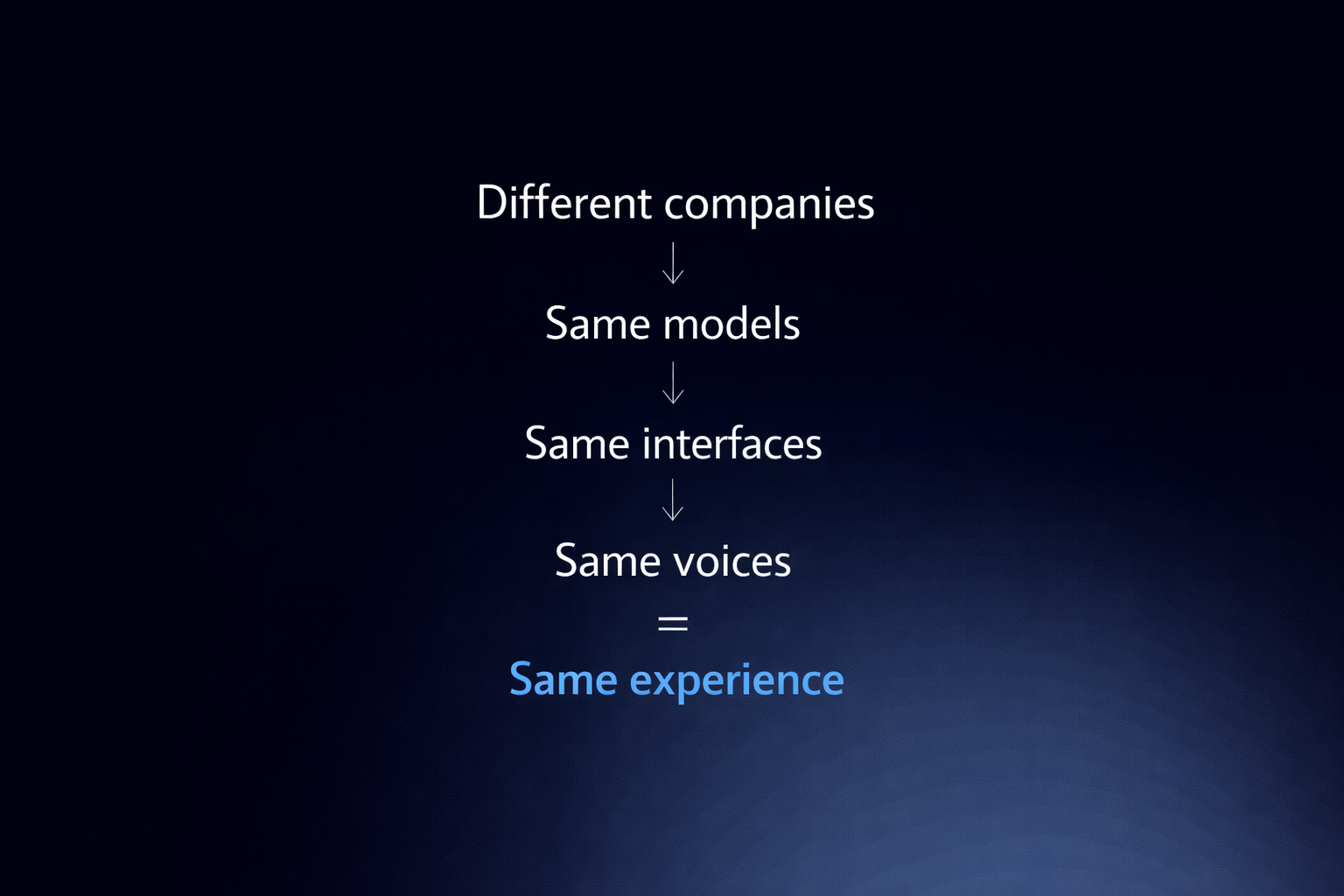
Most organizations today are unknowingly converging toward the same experience.
They are using similar models.
They are deploying similar interfaces.
And increasingly, they are using similar voices.
This creates a form of commoditization that is difficult to detect at first but obvious over time. If every AI interaction sounds the same, there is no differentiation. More importantly, there is no reinforcement of brand.
In industries where differentiation is already difficult, this is a missed opportunity.
Voice as a Strategic Asset
To understand the shift, it helps to reframe voice in enterprise systems:
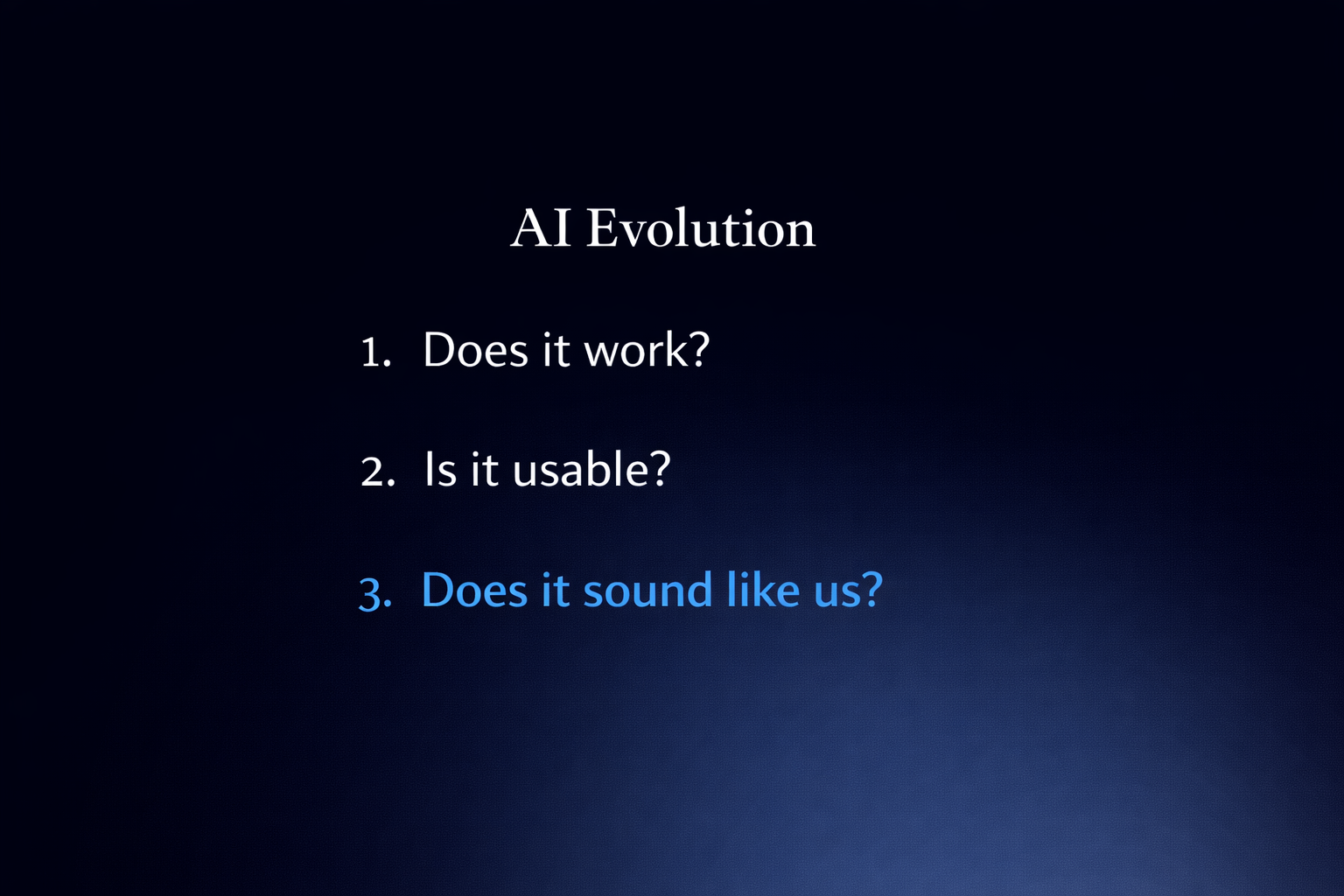
Phase 1: Functional Output
→ "Does it respond correctly?"

Phase 2: Usable Interface
→ "Is it easy to interact with?"

Phase 3: Brand Expression
→ "Does it sound like us?"
Most organizations are still operating in Phase 1 or early Phase 2. The next wave of differentiation will happen in Phase 3.
Custom voice personas allow organizations to align AI interaction with their brand in a way that text alone cannot achieve. This includes tone (authoritative vs conversational), pacing (measured vs energetic), and contextual adaptability (formal vs empathetic).
This is not aesthetic. It is strategic.
Where This Matters Most
The impact of voice personas is most visible in environments where interaction quality directly affects outcomes.
Consider a few examples:
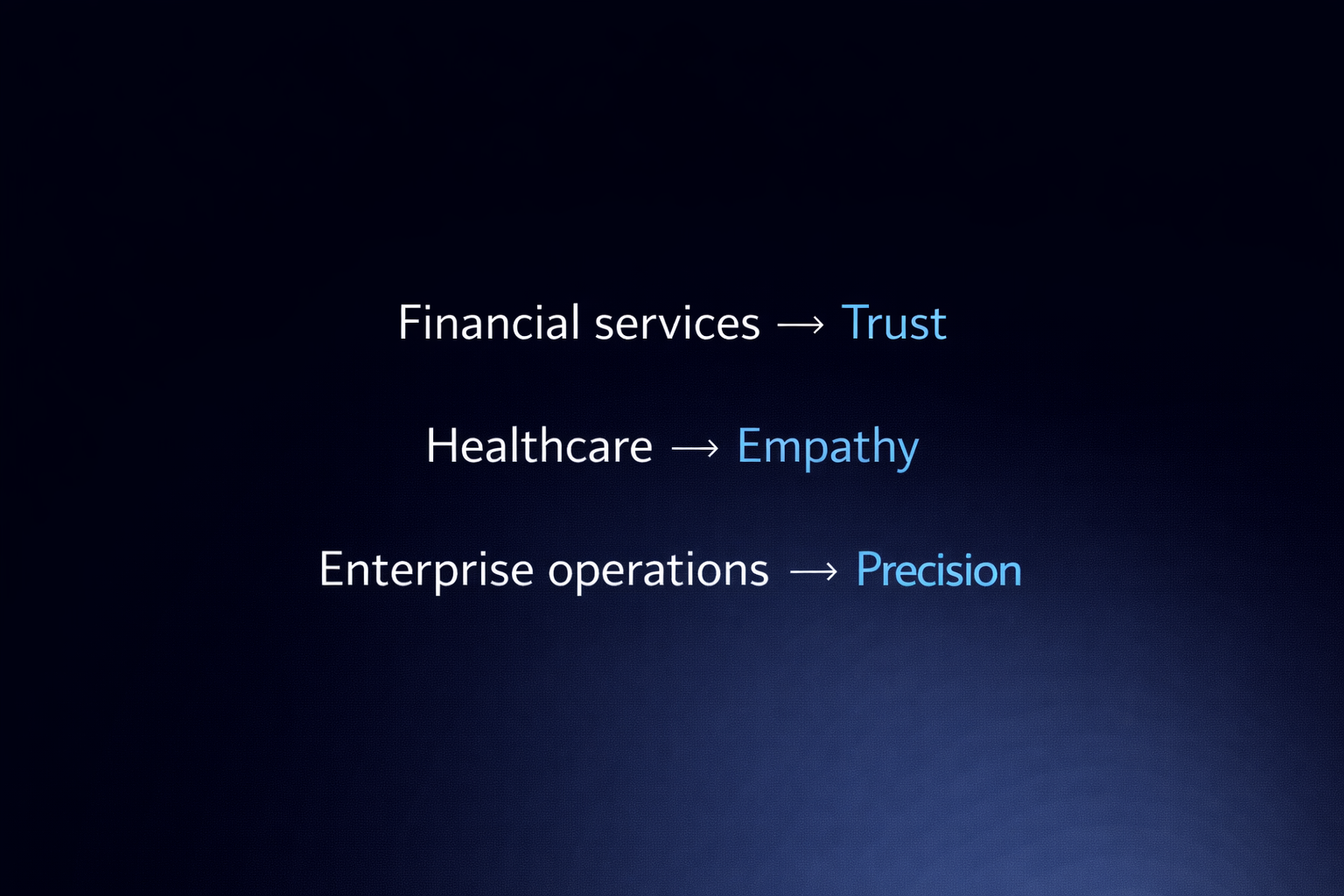
- In financial services, a voice that conveys clarity and control reinforces trust during high-stakes decisions
- In healthcare, a voice that reflects empathy and calm can materially affect patient experience
- In enterprise operations, a voice that is direct and precise reduces ambiguity in time-sensitive situations
In each case, the voice is not just delivering information. It is shaping how that information is received and acted upon.
From Feature to System
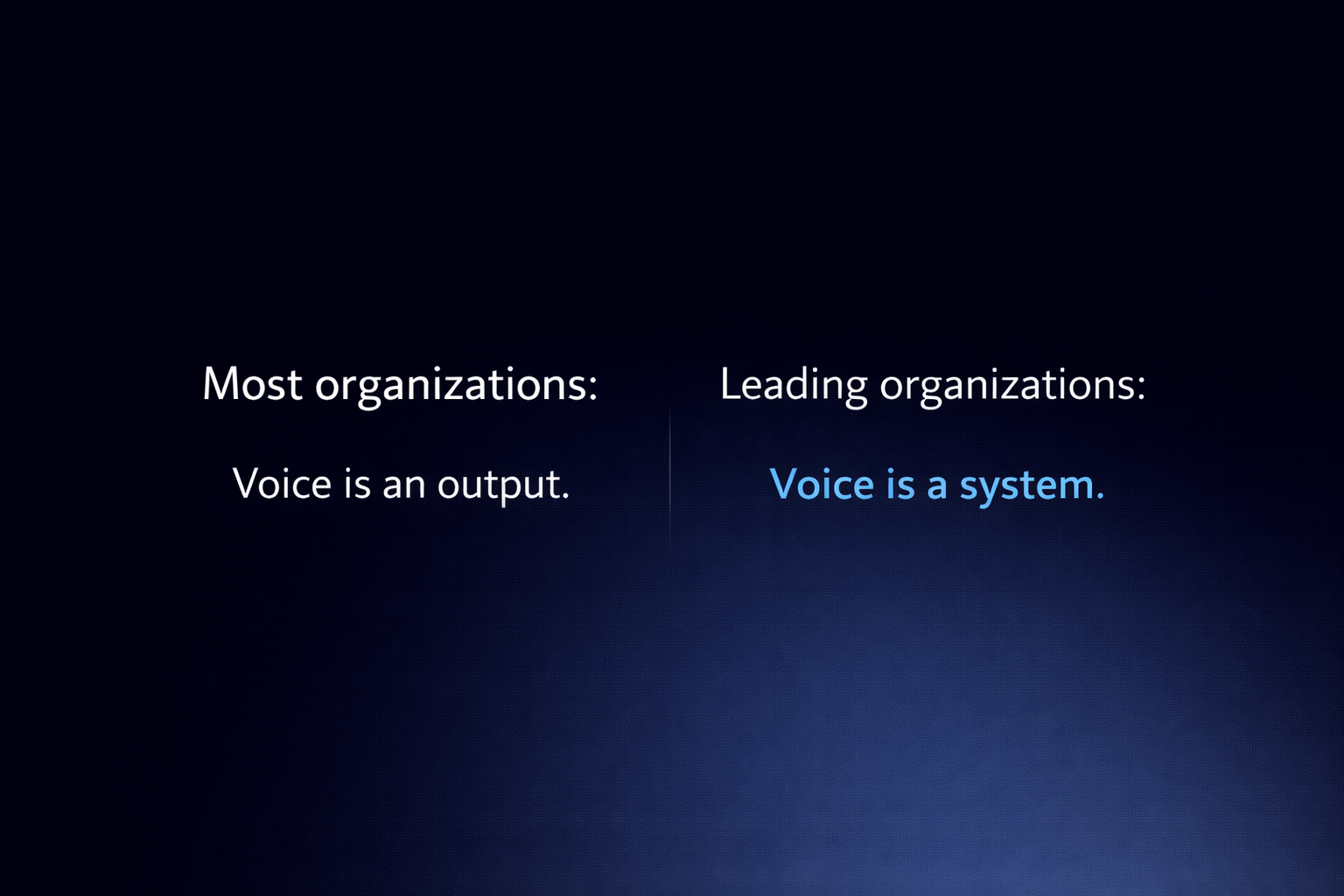
The challenge is that most voice implementations today are treated as features—an output layer added late in the process.
That approach does not scale.
Platforms like PersonaPlex demonstrate a different model. Voice personas are treated as managed assets within the system, not afterthoughts. They can be created, stored, versioned, and deployed in alignment with specific use cases. This allows organizations to maintain consistency across interactions while still adapting to context.
The result is a system where voice is intentionally designed, not incidentally produced.
Trust, Consistency, and Control
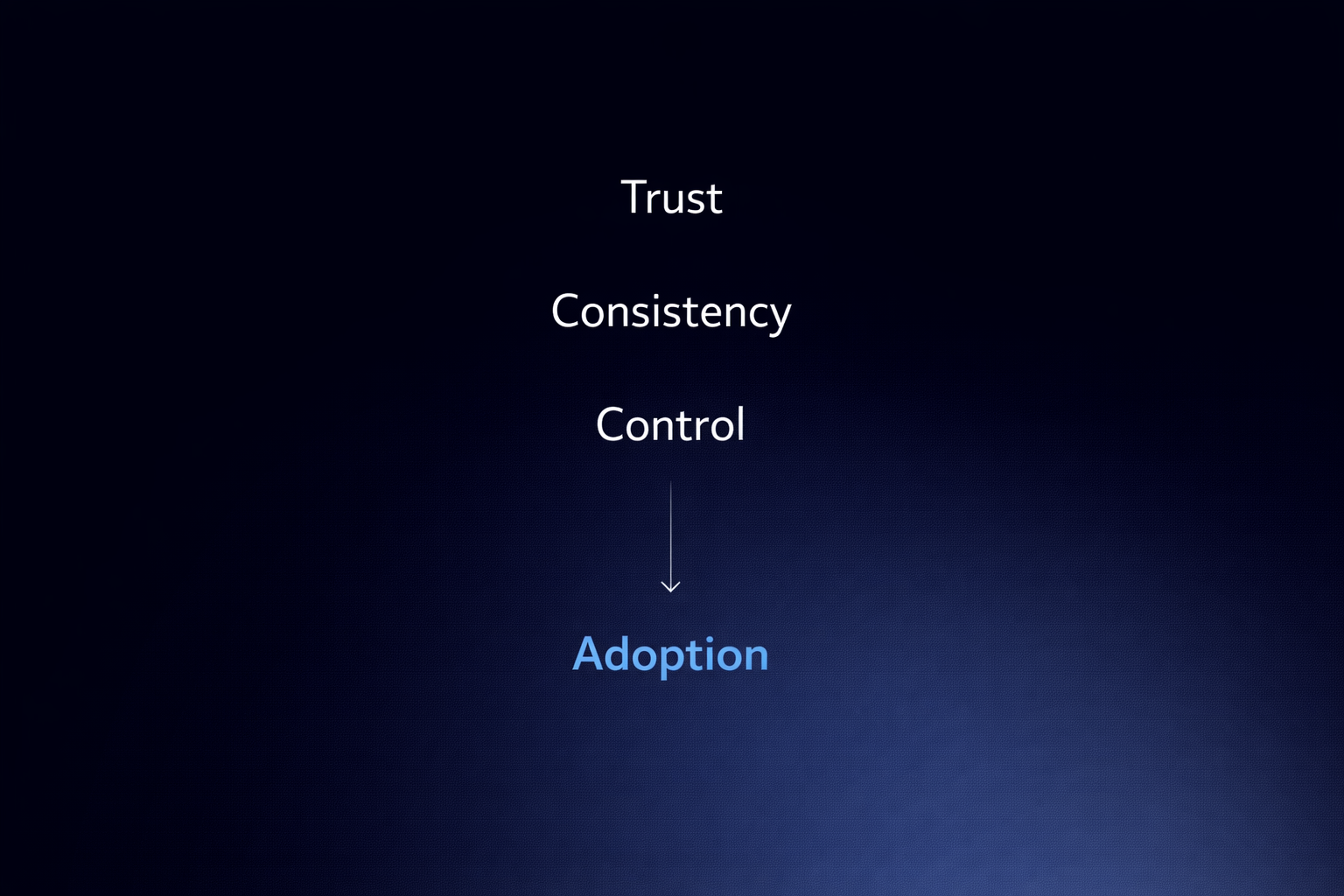
As AI becomes more embedded in enterprise workflows, three factors will determine whether it is adopted broadly:
- Trust: Do users believe the system is reliable and aligned with their needs?
- Consistency: Does the experience remain stable across interactions and environments?
- Control: Can the organization manage and evolve the system intentionally?
Custom voice personas contribute to all three.
They reinforce trust by aligning tone with expectation. They create consistency by standardizing interaction patterns. And when managed correctly, they provide control over how AI presents itself across the enterprise.
The Strategic Implication
The shift here is subtle but important.
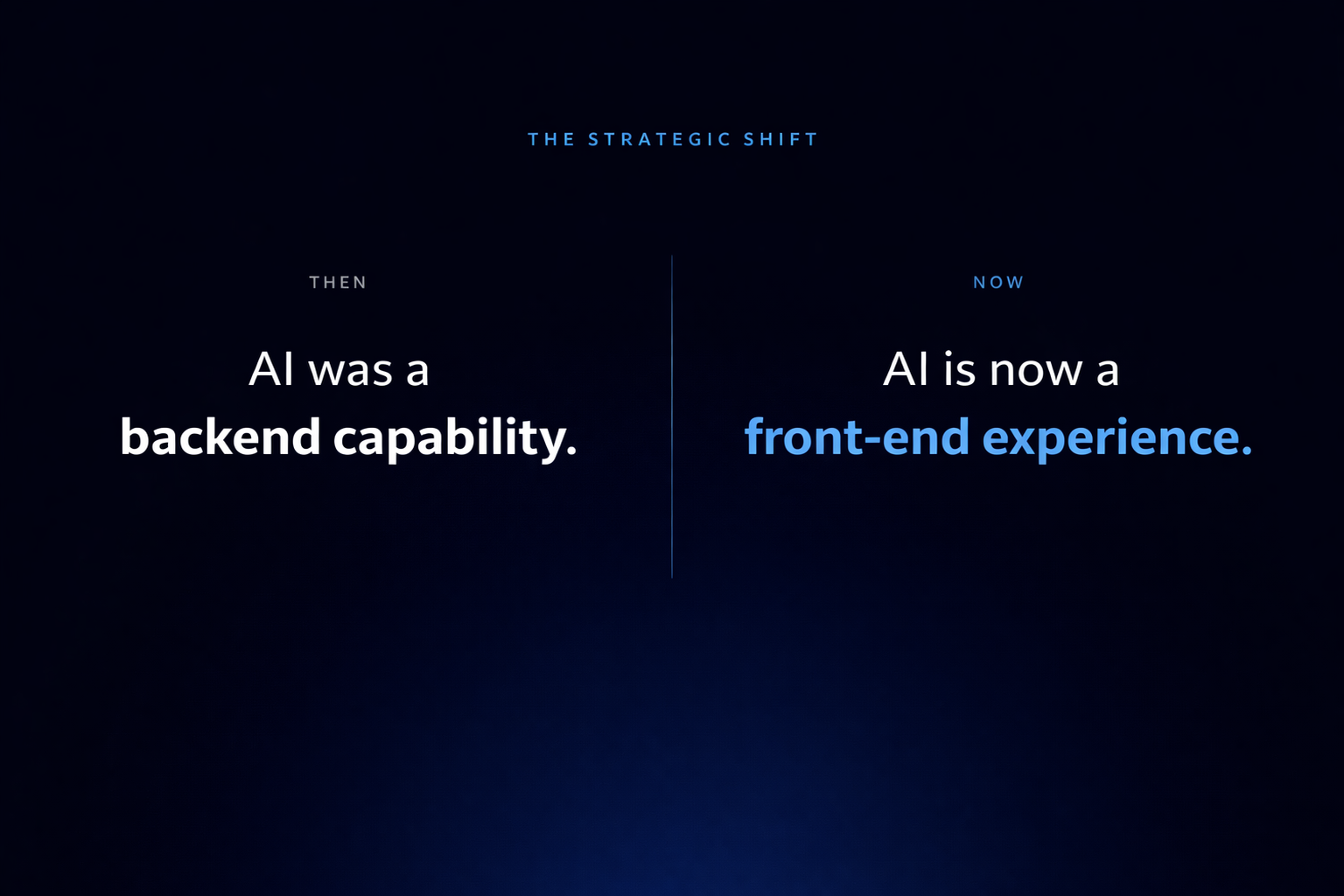
AI is moving from a backend capability to a front-facing experience layer. As that happens, the criteria for success expand beyond accuracy and performance.
Organizations will need to think about AI the same way they think about any customer or employee touchpoint: as something that reflects who they are.
In that context, voice is not optional. It is inevitable.
The only question is whether it is intentional.
Closing Perspective
In a world where every organization has access to similar models and similar capabilities, differentiation will not come from the AI itself. It will come from how that AI is experienced.
Voice is the most human form of that experience.
The organizations that treat voice as a brand asset—not just a technical feature—
will be the ones that build trust, stand out, and lead in the next phase of enterprise AI.